Hot water cylinder leaking or relief valve dripping: what it means
Where the water is coming from tells you what has failed: a dripping expansion or relief valve, a leaking fitting or element, or the tank itself. What is normal and what needs a plumber.
Last reviewed 2026-10-28
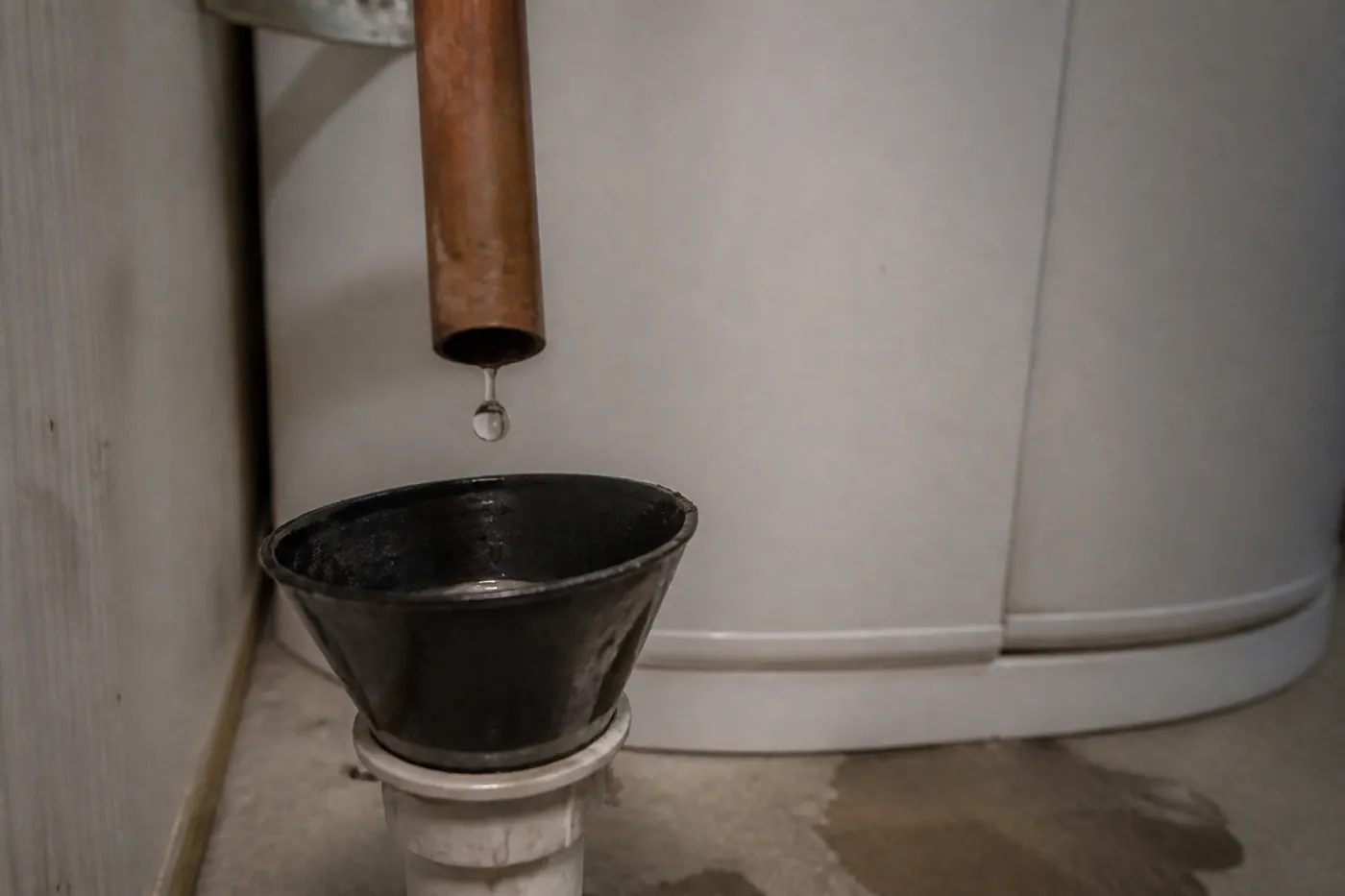
Water near a cylinder is not always a dead cylinder. Where it comes from tells you what has failed.
Drip from the drain or tundish while it heats
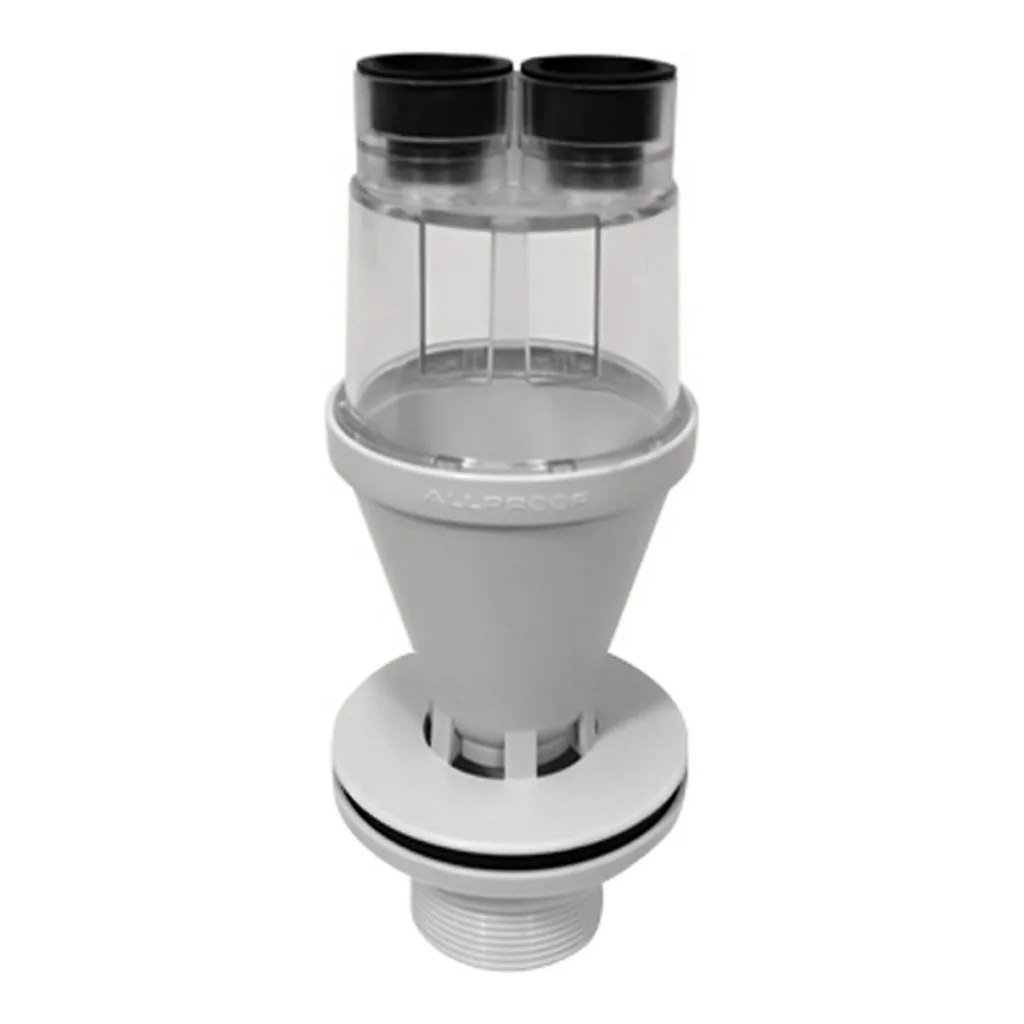
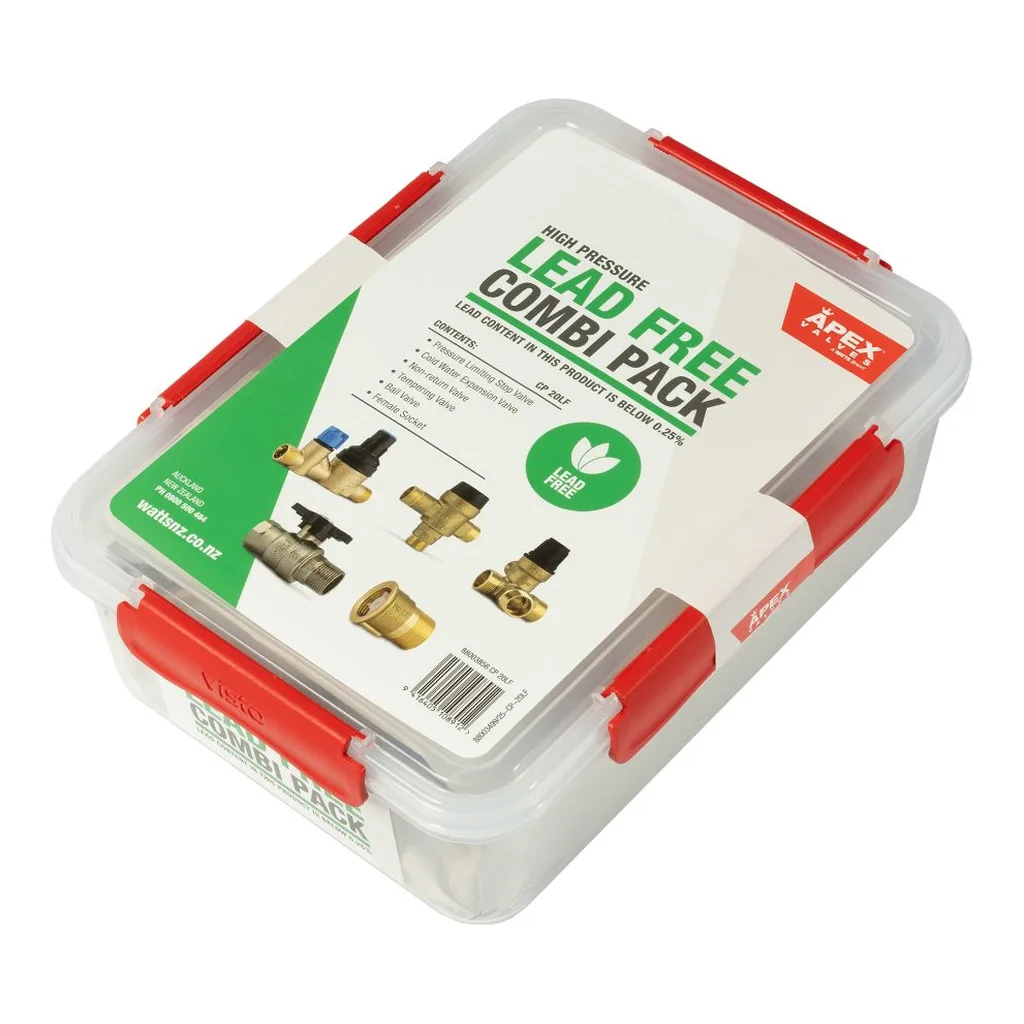
On a mains pressure system, water expands as it heats and the expansion has to go somewhere. A small, intermittent discharge from the cold side expansion control valve while the cylinder is heating can be normal. A steady trickle all day is not: the valve may be faulty, or the incoming pressure too high because the pressure limiting valve has failed.
For scale, Thermann rate their cylinders with a 1000 kPa relief valve and a maximum inlet pressure of 800 kPa without an expansion control valve, 650 kPa with one. Rheem and Rinnai publish their own figures in each installation guide.
The relief valve on the cylinder is discharging
The temperature and pressure relief valve opens if the cylinder gets too hot or the pressure too high. Hot water or steam from it means a thermostat, element or pressure problem. Turn the cylinder off at the switchboard and call a licensed plumber; do not block the valve.
Leaking at a fitting or the element
A drip at a pipe joint, valve or the element gasket is usually repairable without replacing the cylinder.
Water coming from the base of the tank
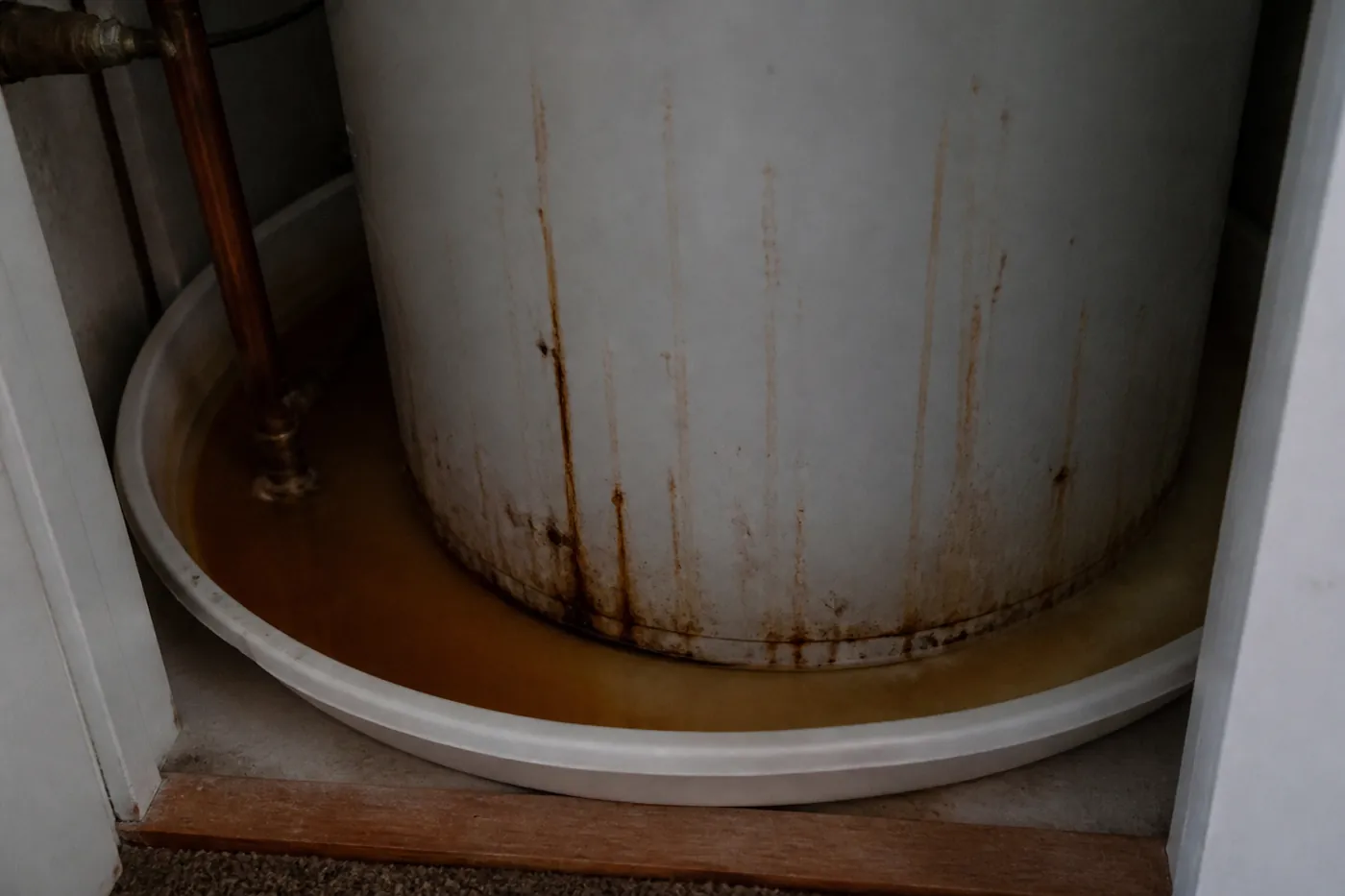
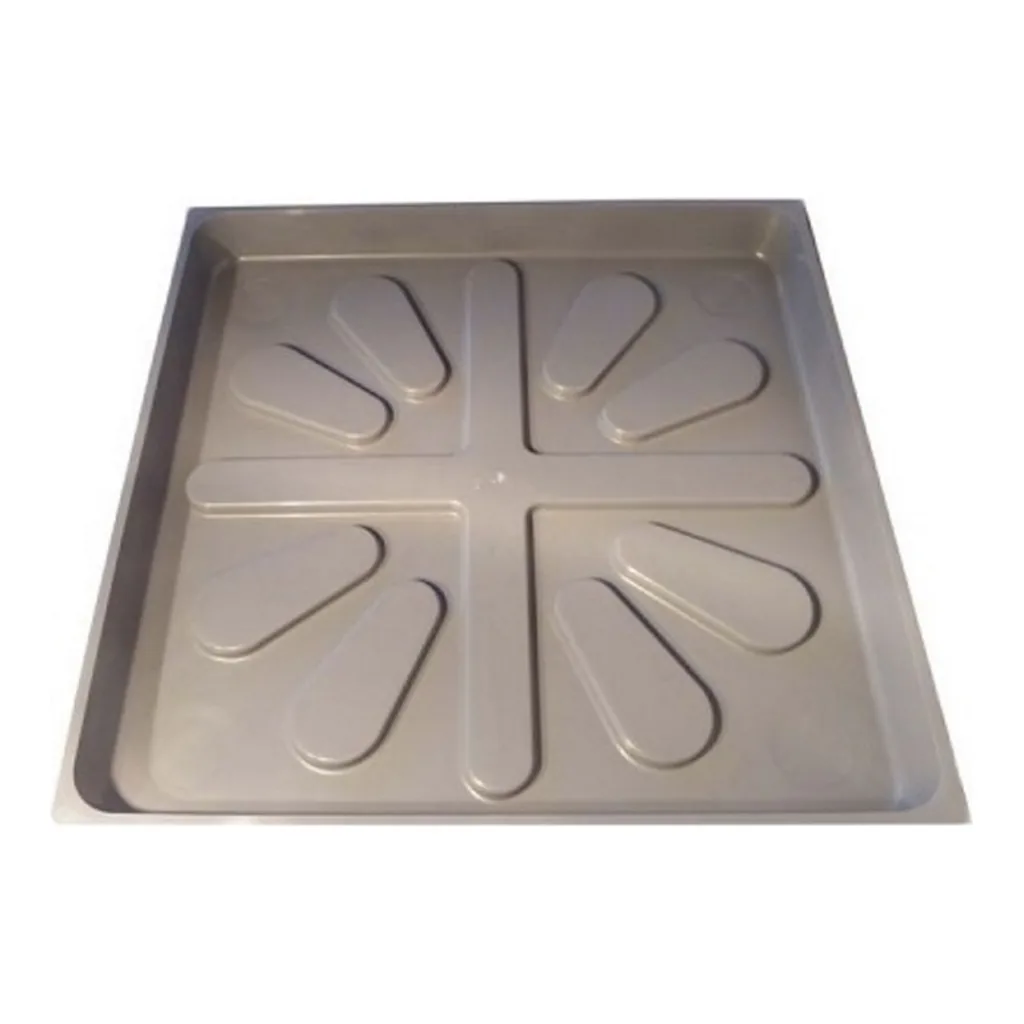
If the water is coming from the cylinder body itself, the tank has failed and cannot be repaired. It needs replacing. A safe tray with a tundish drain under the new one keeps the next failure off the floor.
What to do now
- Turn off the power to the cylinder at the switchboard.
- If it is leaking from the tank, turn off the cold supply to the cylinder.
- Cylinder valves and connections are restricted sanitary plumbing work: call a licensed plumber.
Replacing it? Compare cylinder prices or see full replacement cost.