Vitreous enamel, copper or stainless steel hot water cylinder: which is better?
How the three cylinder linings differ in warranty, pressure, water limits, anode and price, with the models we sell in each, so you can pick the right one for your water.
Last reviewed 2026-10-28
The lining is what the water actually sits against, and it decides the warranty, which pressure the cylinder can run at and what water it tolerates. There is no single best: there is a right one for your house and your water.
The three side by side
| Vitreous enamel | Duplex stainless | Copper | |
|---|---|---|---|
| What it is | Steel tank with a glass lining fused inside | Corrosion-resistant stainless steel | Copper tank |
| Pressure (in our range) | Mains and low pressure | Mains and low pressure | Low pressure only |
| Cylinder warranty | 7 to 10 years | 10 years | 5 years |
| Anode | Yes, sacrificial | Rinnai: not required. Rheem: allow clearance to remove one | - |
| Water to avoid | - | Bore water; high chloride | Acidic or aggressive water |
| Outdoor | Rinnai ME and Thermann yes; Rheem MPVE indoor only | Rheem MPSS yes; Rinnai MS indoor only | Indoor only |
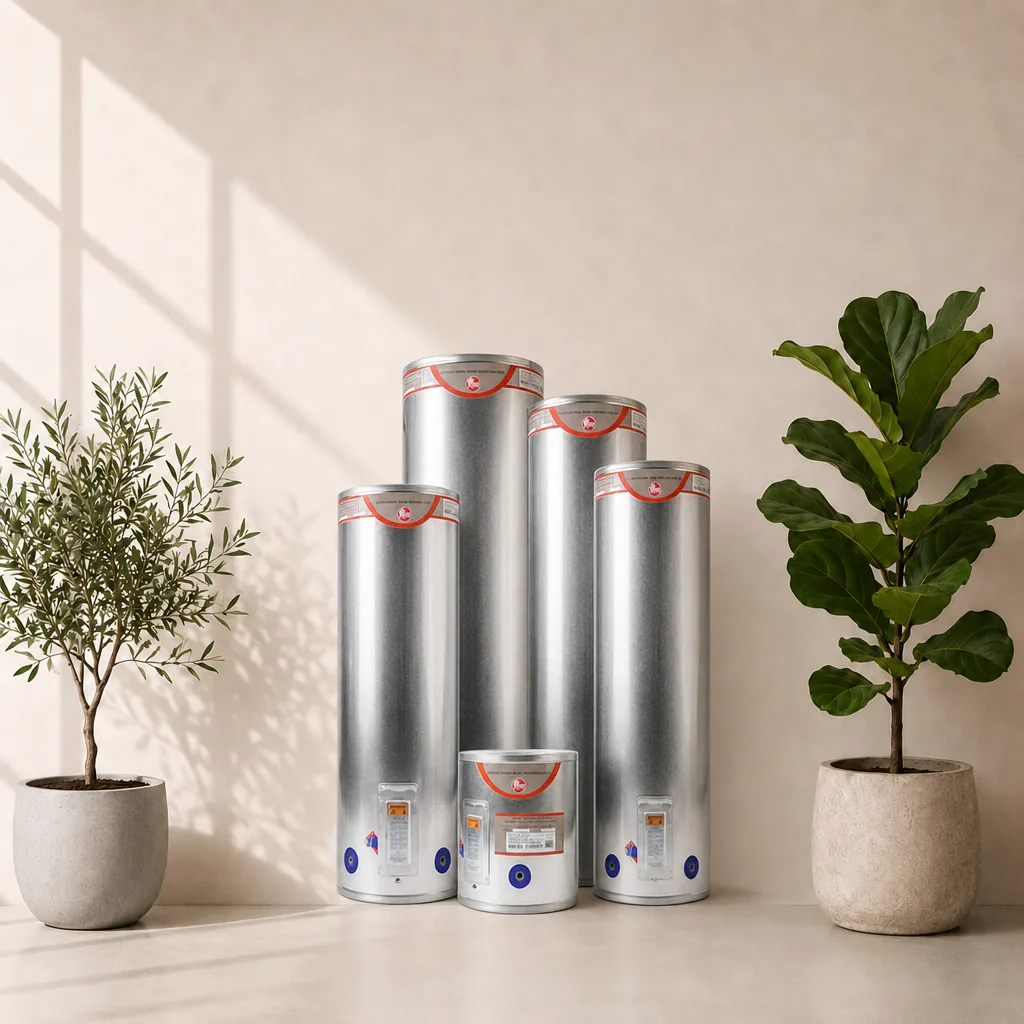
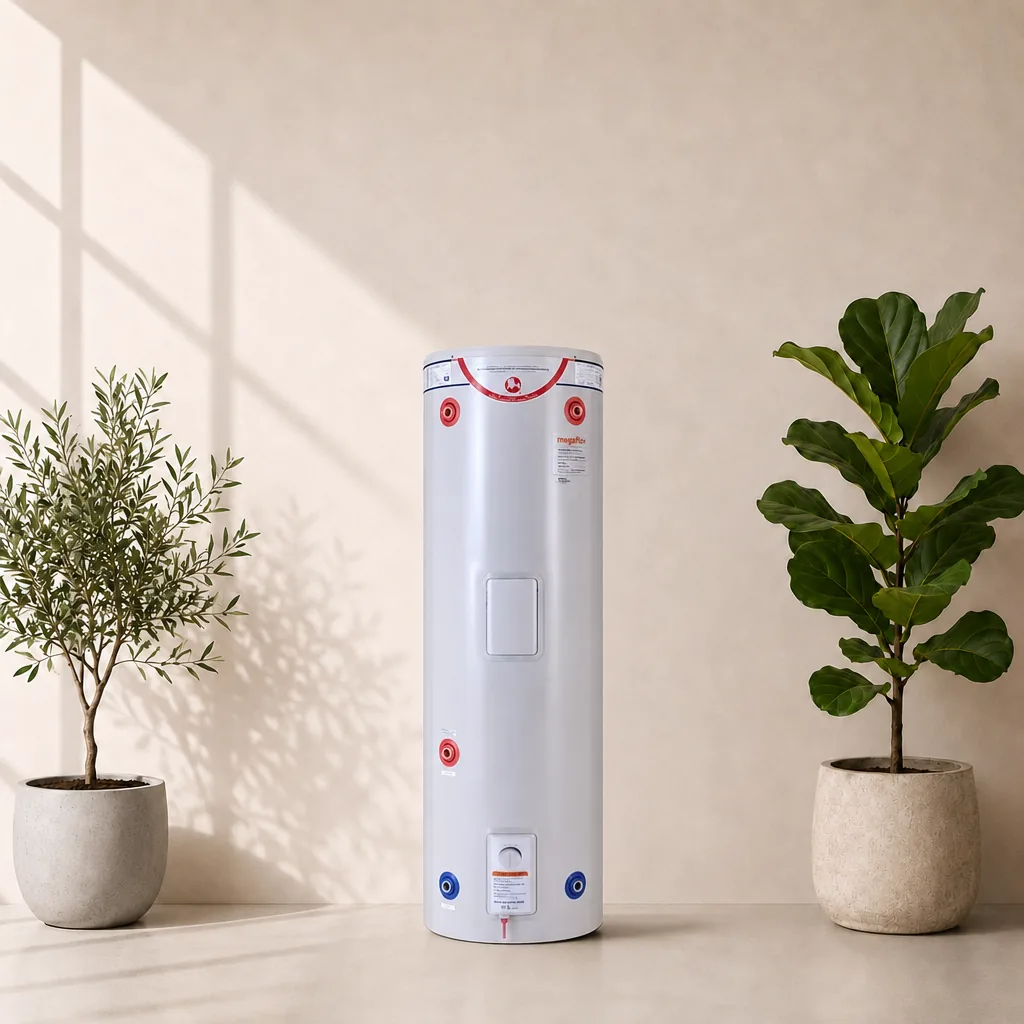
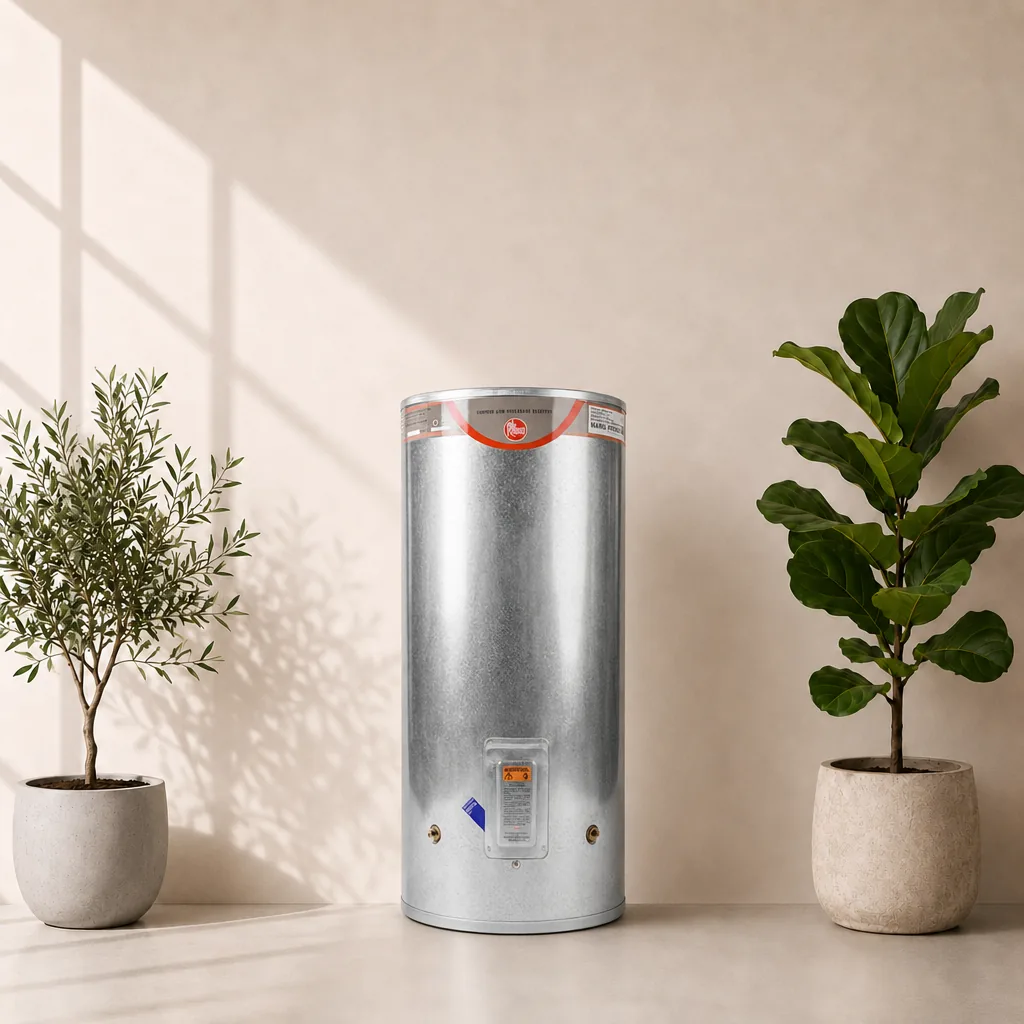
Vitreous enamel
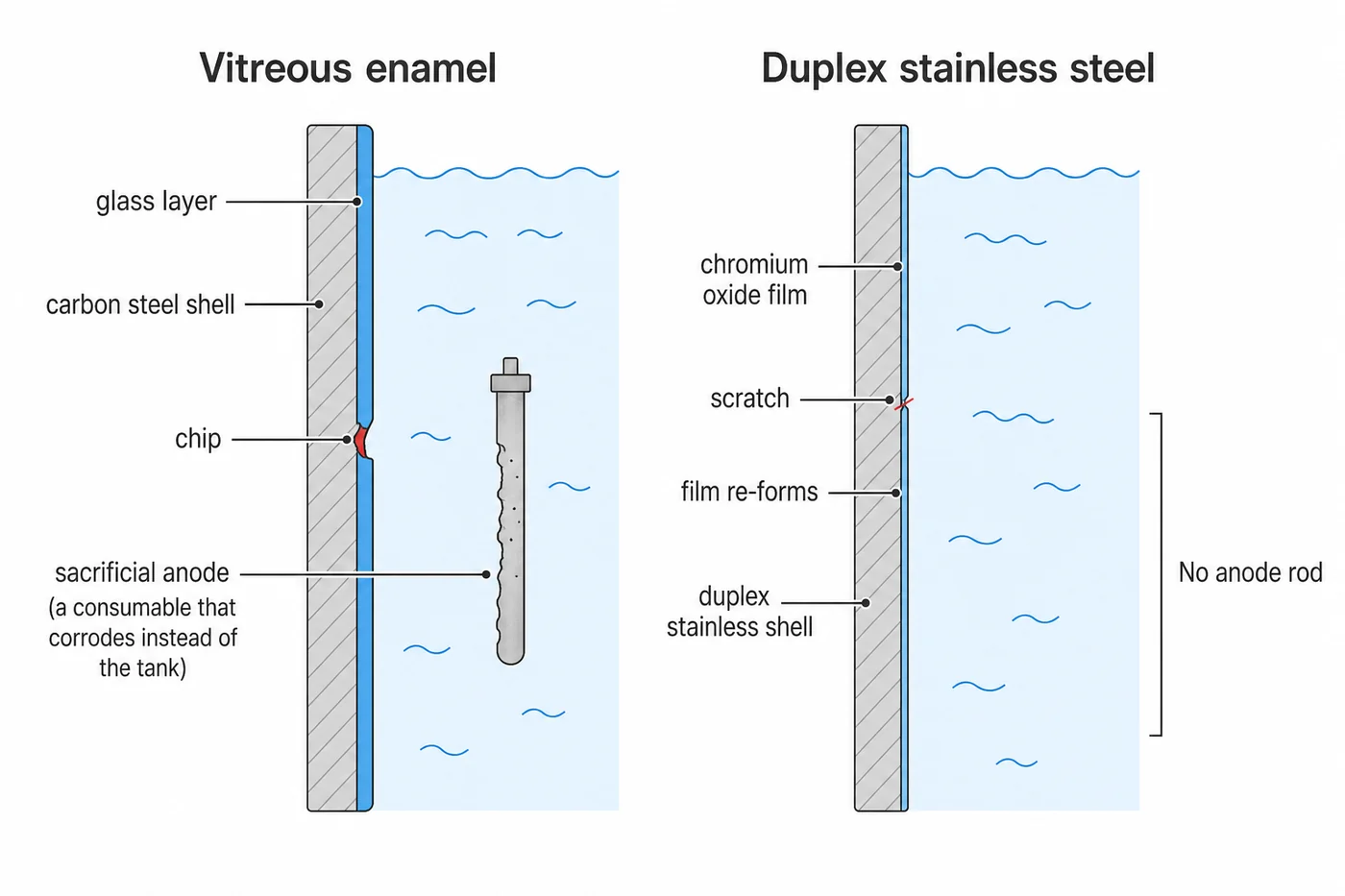
The most common lining in New Zealand. The glass lining protects the steel, and a sacrificial anode protects any tiny gaps in the glass (see what the anode does). It is the cheapest per litre: a 180 litre Rheem MPVE 31218015 is $1,290.
Duplex stainless steel
10 years on the cylinder from both Rheem and Rinnai. Rinnai state an anode is not required on their duplex stainless range. The catch is water chemistry: Rinnai stainless asks for chlorides under 100 mg/L and pH 6.5 to 8.5, and Rheem stainless chlorides up to 250 mg/L. Do not put stainless on bore water. Example: Rheem MPSS 32518015 180L, $1,650.
Copper
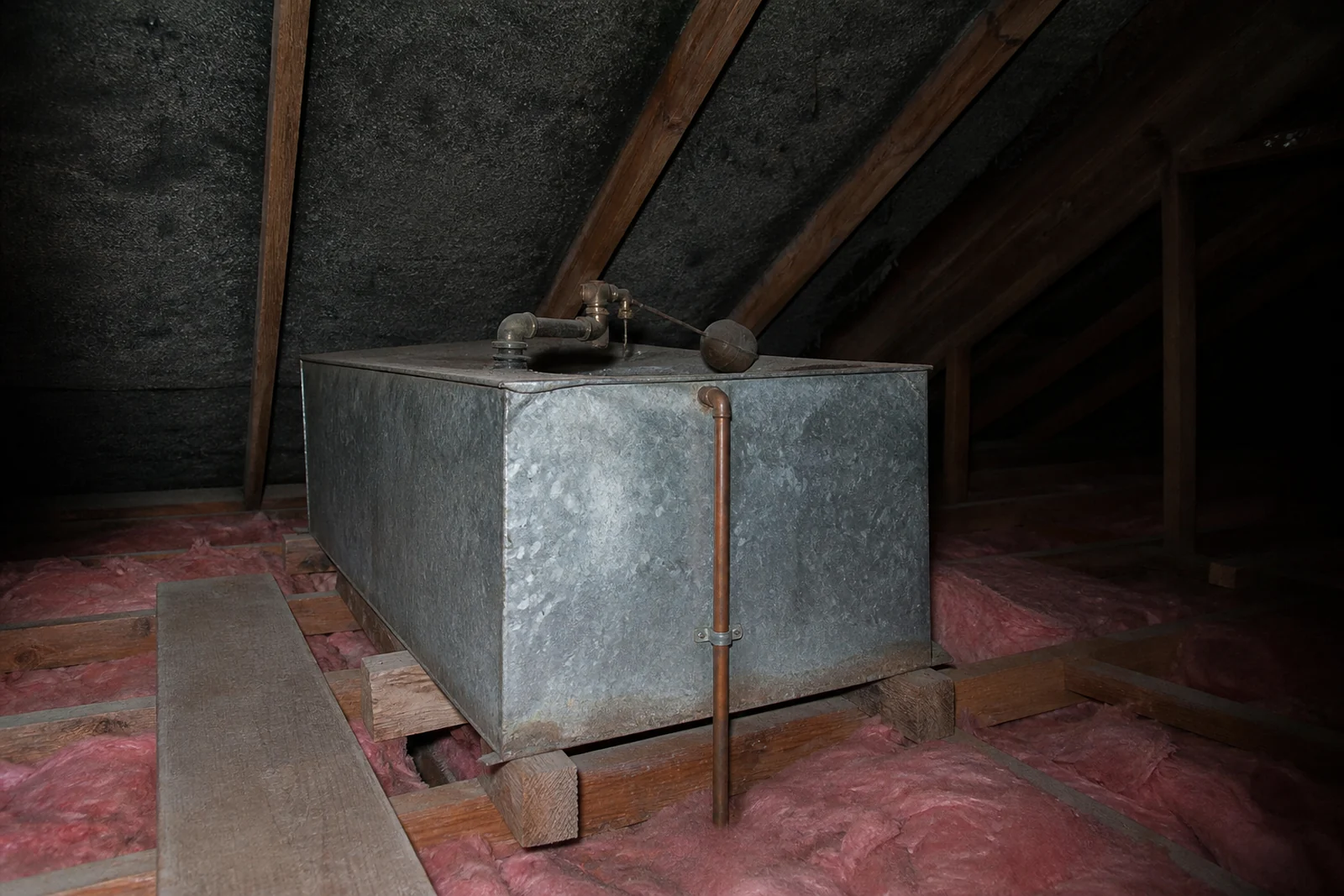
The traditional low pressure cylinder, still behind many header tank systems. Rinnai's limits for low pressure copper are pH 6.8 to 7.5 and iron under 0.1 mg/L, tighter than stainless. 5 years on the cylinder. Example: Rheem 14T18013 180L, $1,780.
Which should you choose?
- Town supply, mains pressure, best value: enamel.
- Town supply, want the longest cylinder warranty: stainless.
- Bore or tank water: enamel, after checking the manufacturer's water limits. Not stainless.
- Header tank system, keeping it low pressure: copper or low pressure enamel.
Full price lists by type: mains pressure, all cylinder prices.